What if the secret to thinking faster, remembering more, and protecting your brain as you age wasn’t hidden in a lab—but sitting on your plate? Scientists have uncovered a surprising connection between certain colorful foods and how efficiently your brain actually works. And the difference they found in brain performance wasn’t small… it was measurable, visible, and potentially life-changing.
Key Takeaways
Brain efficiency boost: Higher carotenoid levels are linked to faster, more accurate thinking and stronger neural connections.
Protection against decline: Carotenoids may help reduce cognitive impairment and support memory as you age.
Simple dietary strategy: Eating colorful fruits and vegetables with healthy fats improves absorption and brain benefits.
The Colorful Foods That Could Rewire Your Brain
The neurons in your brain need a lot of nutritional support to do their jobs because they never stop working.
They need a steady stream of nutrients to protect them from destructive oxidation and keep their cellular structures intact.
And research into brain health shows there’s a crucial nutritional category that helps your brain develop when you’re younger and then makes it more likely you’ll keep your wits about you as you enter middle age and beyond.
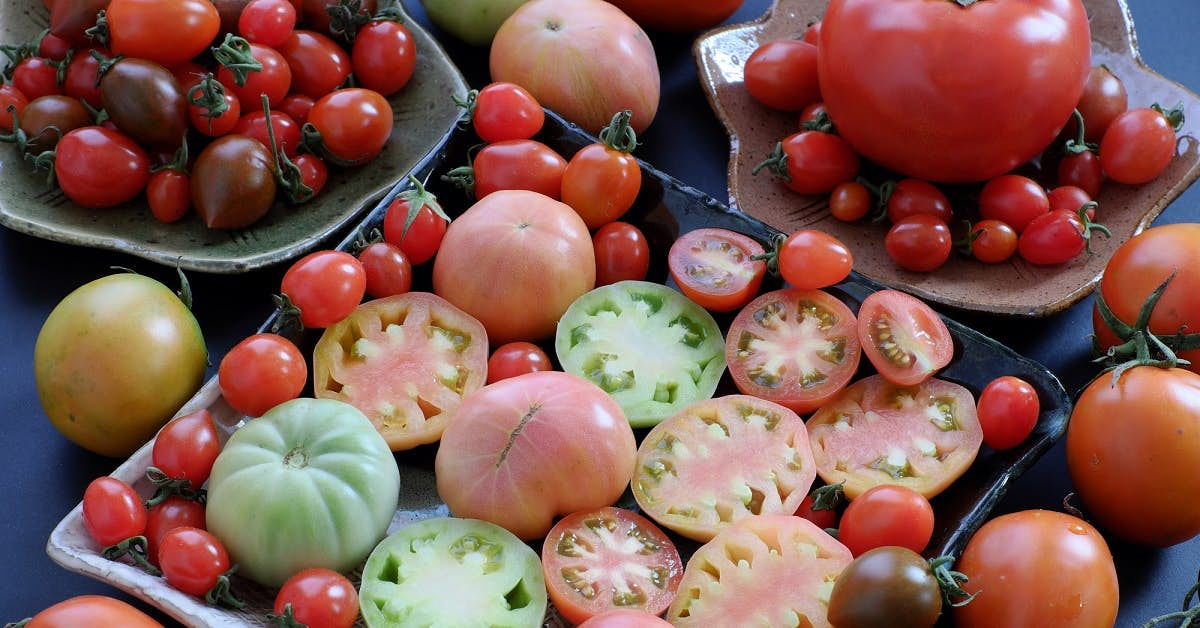
The nutrients I’m talking about are the pigments in many fruits and vegetables called carotenoids – the natural substances that put the red in tomatoes and the orange in carrots. Studies show they keep your neural networks on track.
In our articles about how the brain works, we've often discussed how well-developed connections between and within neural networks in the brain are crucial for a better memory and for learning new information and skills.
Well, according to researchers at the University of Illinois Urbana-Champaign, carotenoids are a central group of nutrients you must consume in your diet to support efficient brain connectivity and maintain the mental abilities you need to deal with your daily life.
In this study, Illinois scientists analyzed people’s carotenoid intake by measuring blood biomarkers that reflected their intake of these pigments. Then they scanned the brains of the research participants with an imaging system known as fMRI – functional magnetic resonance imaging. This scanning technique displays brain activity by showing changes linked to blood flow in different areas of the brain.
The Memory-Fueling Power of Carotenoids
The tests showed that people whose blood contained the highest levels of carotenoid biomarkers – along with other important nutrient biomarkers – had brain networks that operated more efficiently than those of people who were low in these substances.1
That efficiency showed they had healthier brains. Their neural networks accessed information faster and more easily.
"Efficiency has to do with how information is communicated within the network," says researcher Aron Barbey. "If your network is more efficiently configured, then it should be easier, on average, to access relevant information, and the task should take you less time.”
In other words, you can expect to think quicker on your feet if your blood is carotenoid-rich. And the information your brain pulls up – when you’re trying to think of somebody’s name, an address, or other important knowledge – will usually be more accurate.
And it all happens when you eat more carrots, tomatoes, watermelon, squash, sweet potatoes, and leafy green vegetables.
Use Foods to Resist Cognitive Loss
Studies that have examined how carotenoids affect your chances of developing brain problems as you age also show their benefits.
Carotenoids may help the brain resist cognitive impairment as you get older:
Carotenoids improve memory. A test conducted by researchers in France of people in their 70s found that folks who had high levels of the carotenoids lycopene (which puts the red in tomatoes and watermelon) and zeaxanthin (in leafy greens and egg yolks) scored better on tests of intellectual capacity and memory.2
Carotenoids prevent neurological disease. Vitamin C and carotenoids may reduce your risk of amyotrophic lateral sclerosis (ALS): A review study at Harvard that analyzed the results of five large studies involving more than a million people found that consuming a diet rich in vitamin C and carotenoids lowers the risk of ALS – Lou Gehrig’s disease.3
Along with supporting your brain, carotenoids have been shown to offer a wide range of other health benefits – including cancer prevention, digestive health support, heart health protection, and better vision.
An important tip – When you eat vegetables with these nutrients, include a little bit of fat with your meal, like olive oil or coconut oil. The fat helps your digestive system absorb more carotenoids.
Summary
Research shows that carotenoids—natural pigments found in colorful fruits and vegetables—play a crucial role in supporting brain health and cognitive function. These nutrients help protect neurons from oxidative damage and support the efficiency of neural networks responsible for memory and learning. A study from the University of Illinois found that individuals with higher carotenoid levels in their blood had more efficient brain connectivity, allowing for faster and more accurate thinking. Additional research suggests carotenoids may help reduce the risk of cognitive decline, improve memory in older adults, and even lower the risk of neurological diseases like ALS. Including carotenoid-rich foods such as carrots, tomatoes, leafy greens, and squash—especially when paired with healthy fats—can significantly enhance brain performance and long-term cognitive health.
Frequently Asked Questions
What are carotenoids?
Carotenoids are natural pigments found in fruits and vegetables that provide antioxidant protection and support brain and overall health.
How do carotenoids help the brain?
They protect neurons from oxidative damage and improve the efficiency of neural networks involved in memory and learning.
Which foods are highest in carotenoids?
Carrots, tomatoes, watermelon, sweet potatoes, squash, and leafy greens like spinach and kale.
Can carotenoids reduce the risk of cognitive decline?
Research suggests they may help protect against age-related cognitive impairment and support long-term brain function.
Why should carotenoids be eaten with fat?
Healthy fats like olive oil improve the body’s ability to absorb carotenoid
- https://www.sciencedirect.com/science/article/abs/pii/S1053811918321517?via%3Dihub#ack0010
- https://www.ncbi.nlm.nih.gov/pubmed/17389729/
- https://www.ncbi.nlm.nih.gov/pmc/articles/PMC3608702/
Carl Lowe
Carl Lowe has decades of experience writing about health and nutrition for many publications, including
Prevention Magazine and
Self Magazine (where he served as the food and nutrition editor). He has authored and edited over 10 books about natural health, nutrition, and other subjects. He edited
The Columbia University College of Physicians and Surgeons Complete Home Medical Guide and was the nutrition editor for a Time-Life book series on health and nutrition. As a musician, he played viola with the Yale Symphony and bass with the Tommy Dorsey Band, and he has appeared on national TV.
View Bio